
5 Signs You Need a Denture Repair or Reline

Medical Disclaimer
This content is for educational and informational purposes only. It is not intended as medical advice and should not be used as a substitute for professional dental care. Always consult with a qualified prosthetist or dental professional for diagnosis and treatment recommendations specific to your individual needs.
Your dentures are an important part of your daily life - they help you eat, speak and smile with confidence. Like any dental appliance, they need proper care to work well. Over time, wear and tear, accidents, or changes in your mouth can affect how your dentures fit and function.
Spotting the warning signs early that your dentures need repair is important for your oral health and comfort. If you ignore these signs, you might experience discomfort, trouble eating, and even damage to your gums and any remaining natural teeth.
1. Your Dentures Feel Loose or Unstable
One of the most common signs that your dentures need attention is when they start to feel loose or unstable in your mouth. This can happen for several reasons:
- Bone resorption: Your jawbone naturally changes shape over time after tooth loss
- Gum tissue changes: The soft tissues in your mouth can shift and change
- Worn denture base: The acrylic base can wear down with regular use
- Weight changes: Significant weight loss or gain can affect denture fit
What you might experience:
- Dentures moving when you talk or eat
- Difficulty keeping dentures in place
- Need for excessive denture adhesive
- Clicking sounds when chewing
Professional solution: A denture reline can reshape the fitting surface of your denture to match the current contours of your mouth, restoring stability and comfort. At Primedent Denture Clinic, we offer same-day reline services in Melbourne.
2. You Have Difficulty Chewing Food
If you find yourself avoiding certain foods or struggling to chew comfortably, your dentures may not be fitting properly. This is more than just an inconvenience—it can impact your nutrition and overall health.
Warning signs:
- Pain or discomfort when biting down
- Food getting trapped under dentures
- Uneven chewing pressure
- Avoiding hard or chewy foods you used to enjoy
- Taking longer to eat meals
Why this happens:
- Improper fit due to bone and gum changes
- Worn or damaged denture teeth
- Bite alignment issues
- Broken or cracked denture base
When you can't chew properly, you might start avoiding healthy foods like fresh fruits, vegetables and proteins, which can affect your nutrition. Best to see our qualified Dental Prosthetist at Primedent Denture Clinic in Melbourne sooner rather than later.
3. You Have Sore Spots or Gum Irritation
Sore spots on your gums are a clear indicator that your dentures need professional attention. These pressure points occur when dentures don't fit properly, causing constant rubbing and irritation.
Common symptoms:
- Red, inflamed gum tissue
- Painful spots that worsen when wearing dentures
- White patches on gums (possible infection)
- Bleeding gums
- Difficulty wearing dentures for normal periods
Potential complications if left untreated:
- Oral infections
- Ulceration of gum tissue
- Bone damage
- Chronic pain
Don't ignore sore spots - what seems like minor discomfort today can turn into serious problems pretty quickly. A professional assessment by our qualified Dental Prosthetist at Primedent Denture Clinic will help diagnose the cause and make necessary adjustments or suggestions.
Important: Never attempt to adjust or repair your dentures yourself with DIY methods. This can cause irreversible damage and may make the problem worse.
4. Your Dentures Are Visibly Damaged
Any visible damage to your dentures requires immediate professional attention. Even minor cracks or chips can quickly worsen and compromise the entire structure of your denture.
Types of visible damage:
- Cracks in the acrylic base: Can spread and eventually break completely
- Chipped or broken teeth: Affects appearance and chewing ability
- Discolouration or staining: May indicate the material is deteriorating
- Rough or sharp edges: Can cut or irritate soft tissues
- Broken clasps (for partial dentures): Compromises retention
Risks of wearing damaged dentures:
- Further damage to the denture itself
- Injury to your gums, cheeks, or tongue
- Bacterial growth in cracks and crevices
- Poor oral hygiene
- Social embarrassment
At Primedent Denture Clinic in Melbourne, we can do same-day repairs for most types of damage. Don't put up with a broken denture - give us a call straight away if you notice any damage.
5. You've Had Your Dentures for More Than 5-7 Years
Even if your dentures seem to be functioning well, they have a finite lifespan. The Australian Dental Prosthetists Association recommends evaluating dentures every 5-7 years for potential replacement.
Why dentures need replacement:
- Material fatigue: Acrylic and other materials degrade over time
- Bone changes: Your jawbone continues to change shape
- Wear on denture teeth: Chewing surfaces become worn and flat
- Outdated materials: Newer materials offer better comfort and function
- Appearance concerns: Teeth may become discoloured or worn down
Signs it might be time for new dentures:
- More than 7 years since your last denture
- Frequent repairs needed
- Persistent fit problems despite adjustments
- Visible wear on denture teeth
- Changed facial appearance (sunken cheeks, shortened face)
Regular check-ups with our qualified Dental Prosthetist will keep your dentures in good condition. At Primedent Denture Clinic, we'll assess your dentures and recommend whether they need a repair, reline or replacement.
How to Maintain Your Dentures Between Check-ups
Proper daily care can extend the life of your dentures and reduce the need for repairs:
- Clean daily: Brush dentures with a soft denture brush and non-abrasive cleaner
- Rinse after meals: Remove food particles promptly
- Soak overnight: Keep dentures moist in denture cleaning solution
- Handle carefully: Dentures can break if dropped
- Regular professional cleaning: Visit your prosthetist every 6-12 months
- Avoid hot water: Can warp the denture material
- Don't use regular toothpaste: Too abrasive for denture materials
When to Seek Emergency Denture Repair in Melbourne
Some situations require immediate professional attention:
- Complete denture breakage: Cannot wear the denture
- Sharp edges: Risk of cutting soft tissues
- Severe pain: May indicate underlying oral health issues
- Lost or broken teeth: Affects appearance and function
- Denture no longer fits at all: Could indicate serious oral changes
Primedent Denture Clinic offers emergency denture repair services throughout Melbourne. We understand that denture problems can't always wait, and we're here to help get you smiling again quickly.
Expert Denture Care in Melbourne
With over 30 years of experience serving the Melbourne community, Primedent Denture Clinic has helped thousands of patients maintain healthy, comfortable dentures. Our qualified dental prosthetist uses the latest techniques and materials to provide:
- Same-day denture Relines and Repairs
- Full Dentures
- Partial Dentures
- Flexible Dentures (no-clasp)
- Custom made Laminated Mouthguards
- Home visit services (for eligible patients)
- Free initial consultations
Frequently Asked Questions
How long does a denture repair take? Most denture repairs can be completed in a single day at our Melbourne clinic. Complex repairs may require 24-48 hours.
Can I eat while my dentures are being repaired? This depends on the type of repair needed. We'll provide guidance and, if necessary, a temporary solution so you're not without teeth.
How much does denture repair cost in Melbourne? Repair costs vary depending on the type and extent of damage. We provide upfront pricing and accept various payment methods including health fund claims.
How often should I have my dentures checked? We recommend professional check-ups every 6-12 months, even if you're not experiencing problems.
Is denture repair covered by health insurance? Many health funds provide coverage for denture repairs and maintenance. We can help you understand your coverage and process claims directly.
Take Action Today
Don't let denture problems affect your quality of life. If you're experiencing any of the signs mentioned in this article, it's time to schedule a professional assessment.
At Primedent Denture Clinic, we're committed to providing exceptional denture care to patients across Melbourne, from our convenient Thomastown location. Servicing all suburbs across Melbourne suburbs.
Contact us today for:
- Free consultation and assessment
- Same-day denture repairs and relines
- Expert qualified Dental Prosthetist advice
- Transparent pricing
- Flexible appointment times
Call us on (03) 9497 9666 or visit our Thomastown clinic at 145 High St, Thomastown, VIC 3074.
This article was written by Goran, Principal Dental Prosthetist at Primedent Denture Clinic, with over 30 years of experience in prosthodontics. Information is current as of November 2025.
Need Professional Denture Care?
Our experienced team at Primedent Denture Clinic is here to help. Book a free consultation today to discuss your denture needs.
About the Author
Goran
Dental Prosthetist
With over 30 years of experience in prosthodontics, Goran has helped thousands of patients across Melbourne regain their confidence with quality denture solutions.
Last updated:
Related Articles
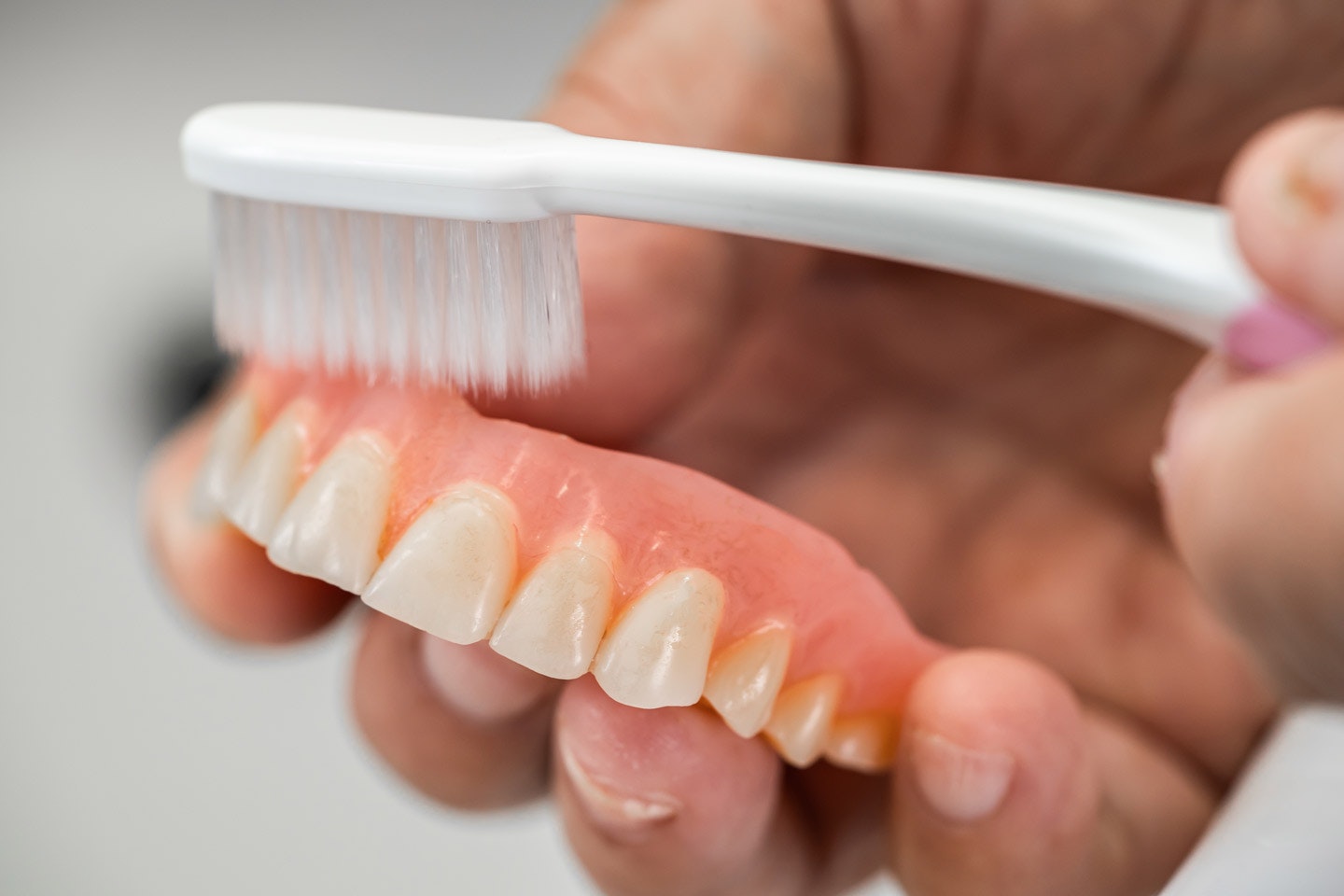
How to Care for Your New Dentures: Professional Tips from Melbourne Prosthetists
Complete guide to denture care and maintenance from experienced Melbourne prosthetists. Learn daily cleaning routines, storage tips, and how to make your dentures last longer.
9 min read
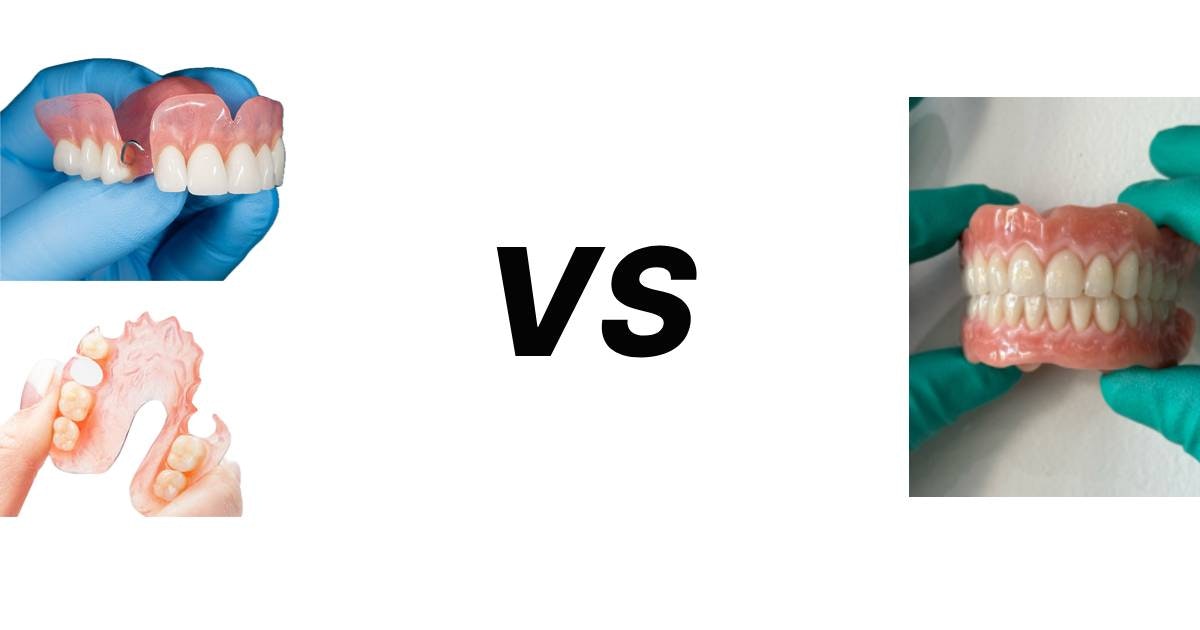
Full Dentures vs Partial Dentures: Expert Guide for Melbourne Patients 2025
Comprehensive comparison of full and partial dentures from Melbourne's experienced prosthetists. Learn which option is right for you, costs, benefits, and what to expect.
9 min read